ORGAN CONCERT

DATE & TIME


TICKETS

PROGRAM

This Prelude is a masterpiece from 17th-century North Germany. It is a textbook example of the Stylus Phantasticus—a brilliant, free-form style designed to mimic spontaneous improvisation. After the chromatic opening flourish that covers all but one note in a chromatic octave and a half scale the first expansive fugue also features a chromatic scale. One of the longest freely-composed passages between the traditional two fugal sections then follows, with an amazing array of musical textures, including one passage that Bruhns could well have played on his violin and organ pedals (as he used to demonstrate). The tension is wound up inexorably towards the sudden entry of the joyful, lively final fugal section.

Written around the turn of the 18th century, Georg Böhm’s Partita is a set of seven distinct variations based on a well-known 1641 hymn tune by Georg Neumann. This piece focuses on lyricism and text-painting. Across the variations, you will hear the melody constantly transformed—sometimes hidden in a lively dance rhythm, and other times singing out as a highly ornamented, vocal-like solo over soft accompaniment. It is a masterclass in transparency, designed to showcase the various stops of the instrument.

Rheinberger was a highly sought-after composition professor in Munich. While the previous Baroque pieces treated the organ like a giant choir of distinct voices, Rheinberger approaches the console like a massive, unified symphonic orchestra. Written in 1882, this sonata is a masterclass in structural gravity and rich, warm emotional depth.

The highlight of this piece—and arguably of Rheinberger’s entire output—is its legendary closing movement, the Passacaglia. This towering finale is built on a haunting, reoccurring eight-measure bass theme in the pedals. Over this repeating foundation, Rheinberger weaves 24 brilliant, increasingly complex variations. The music constantly shifts textures, building from delicate, lyrical moments to a thunderous wall of romantic sound that pushes the symphonic capabilities of the instrument to its absolute limit. 

This organ adaptation of Stephen Schwartz’s Wicked features a custom medley of the musical’s most dramatic motifs and themes, blending dramatic elements from the show into a cohesive, instrumental narrative. It highlights the organ’s ability to interpret contemporary musical theater through shifting textures, alternating between the ominous sounds of the Wizard’s palace and the vibrant themes of the Emerald City.

Olivier Messiaen’s “Transports de joie” from his 1932 suite L’Ascension is a volcanic eruption of 20th-century French modernism. Messiaen was one of the most visionary composers of the modern era. In this fierce, ecstatic celebration of religious ecstasy he replaces traditional scales and rhythms with his own custom harmonic system and irregular rhythmic patterns.

The piece opens and closes with massive, jagged chord clusters played tutti—meaning every single stop on the organ is pulled out to unleash its absolute maximum volume. In between these thunderous walls of sound, a rapid, bird-like solo line dances frantically across the keyboards. It is a virtuosic sprint that pushes both the player and the instrument to their absolute limits.

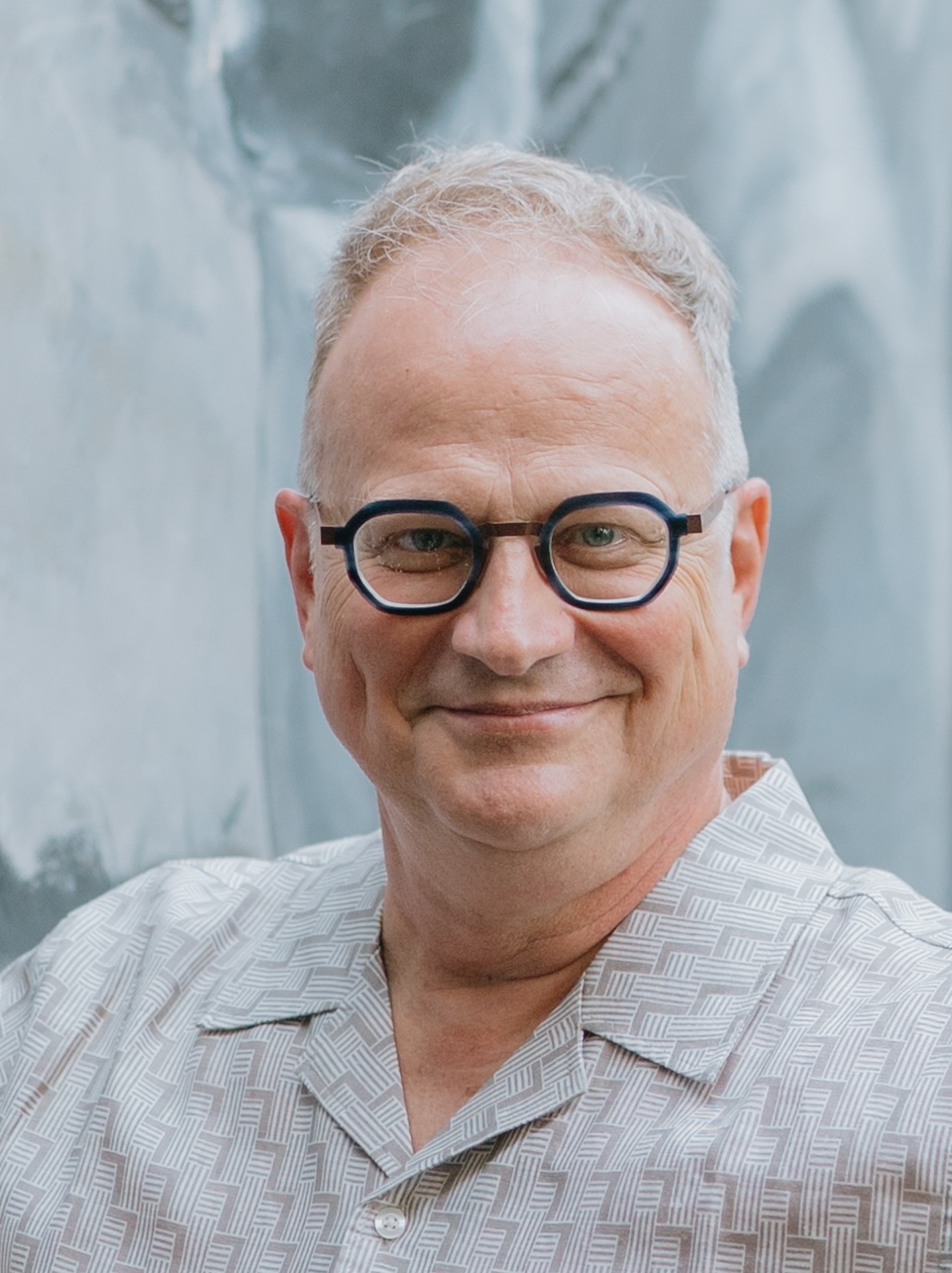
HAMSA ARNOLD